
Revitalizing a Bar to Improve Revenue
Note: Our clients value their privacy and hire Gezelle for our expert execution as well as our discretion. To respect their wishes, we will not disclose any identifying details in these case studies.
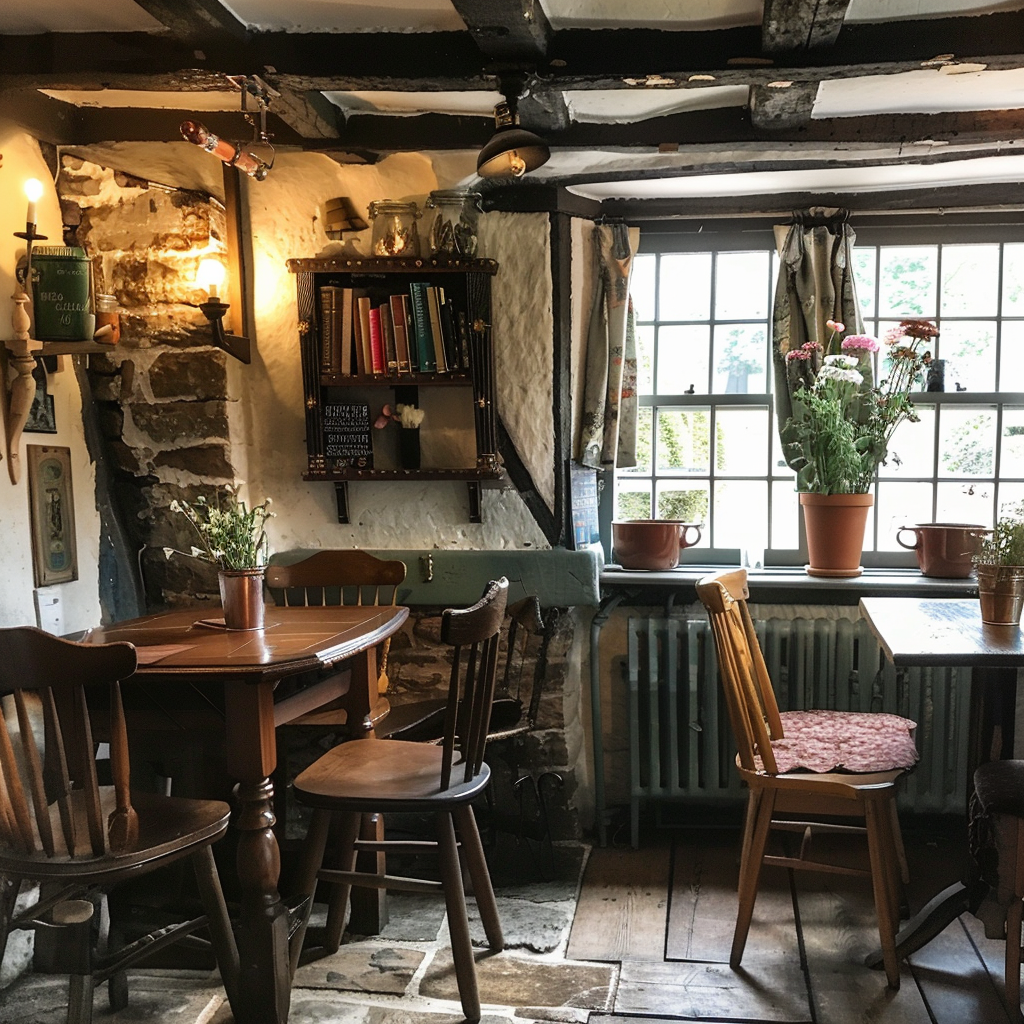
The pub sits at the edge of the village. The building has been here longer than anyone can remember. It's the kind of place that feels lived in—worn wooden wainscotting, walls lined with fading photographs, and a sense that everyone knows everyone. This is hospitality at its most authentic: unpretentious, reliable, and deeply rooted in the people it serves.
The challenge
A village pub in the UK countryside had the kind of problem many small venues face. The bar was busy most nights, which should have been good news. But they were tied to a brewery, which meant tight margins and limited revenue, no matter how many pints they pulled.
The kitchen was a different story. The menu was too large for the team they had. The freezers outnumbered the fridges. Frozen stock was being used where fresh should have been, and the prep work was scattered across too many dishes with no clear system in place. They couldn't afford to hire a head chef, and without one, they couldn't move forward. The owner knew something had to change, but didn't know where to start.
The situation:
- Busy bar with limited profitability due to brewery tie
- Kitchen operation struggling with oversized menu
- Heavy reliance on frozen ingredients and products
- More freezer space than fridge space
- No head chef and limited budget to hire one
- Team lacking structure and clear direction
What we did
Training over hiring
Instead of hiring a head chef they couldn't afford, we brought in a sous chef and built a six-month training programme around them. One shift per week, working side by side in the kitchen. One meeting per week covering everything culinary school doesn't teach: how to manage stock levels, calculate food costs, judge ordering quantities, write menus that make sense for the operation, and read the numbers that actually matter.
These weren't theoretical sessions. We worked through real orders, real prep lists, and real cost sheets. If the sous chef was going to run this kitchen, they needed to understand not just how to cook, but how to make the operation sustainable.
Shrinking the menu, raising the standard
The menu was trying to do too much. When a kitchen attempts to cover every base, it often ends up doing nothing particularly well. We stripped it back to a smaller core menu—dishes that could be executed consistently, used fresh ingredients, and shared components where it made sense.
Each dishr received a clear recipe and specification. No guesswork, no variations depending on who was working that day. The kitchen needed a foundation it could rely on, especially when the sous chef was still learning to manage the operation.
Then we gave them room to grow. The sous chef got free rein on specials: limited runs of five to ten portions where they could practice menu development and try new techniques without putting food cost at risk or overwhelming the team. It was a controlled way to build confidence and creativity while keeping the operation stable.
Fresh over frozen
The reliance on frozen stock was both a symptom and a cause of the kitchen's struggles. Frozen ingredients meant the team could avoid thinking about ordering cycles and stock rotation, but it also meant the food would never be as good as it could be.
We shifted everything possible to fresh. That meant better planning, tighter ordering, and proper stock rotation, but it also meant the food improved immediately. Guests noticed. The kitchen noticed too—there's a difference in how a team feels about their work when they're cooking with proper ingredients.
Restructuring hiring and retention
The bigger issue wasn't just the immediate kitchen problem. It was how the business thought about staffing. Quick fixes don't build kitchens. We worked with the management team on how they recruited, how they paid people, and what they were offering beyond a wage.
The focus shifted to longevity and commitment rather than plugging gaps with whoever was available. That meant being more selective about hiring, but it also meant people stayed. A stable team is worth more than a constantly rotating door of cheap labour.
The result
The kitchen grew. What started as a struggling operation with a shoestring budget now employs three full-time staff. The pub extended the kitchen space, added a garden room to accommodate demand, and turned into a busy, sustainable operation that people travel to visit.
The sous chef who started the programme is still there, now leading the kitchen with the skills and confidence to run it properly. The team stuck around because the work became manageable, the systems made sense, and the environment supported them rather than burning them out.
Why it worked
This wasn't about bringing in a consultant to write a report and vanish soon after. It was about building capacity from the inside. The sous chef learned by doing—not through theory, but through practical application of the skills they'd need to run the operation long after we left.
The training was hands-on because that's the only way it sticks. You can sit someone down and explain food costing formulas, but until they've worked through a real order and seen how the numbers connect to what's happening on the plate, it's just information. We made sure every session translated directly to something they'd use that week.
The menu work was equally practical. It's easy to say "reduce complexity," but harder to decide which dishes stay and which go, especially when you're emotionally attached to what you've been cooking. We guided those decisions based on what was actually selling, what could be executed well with the team they had, and what used ingredients efficiently.
But the most important change was in the mindset. The business stopped looking for quick fixes and started investing in people. That's what made the difference between a temporary improvement and a lasting one.
The long-term impact
Three years on, the kitchen is still operating on the principles we established. The team has grown, but the foundation—clear systems, proper training, and a focus on quality over quantity—remains the same.
The sous chef has become a mentor to newer staff, passing on the same practical knowledge they received. That's how sustainable change works: when the people you train become the ones doing the training.
The pub has become a destination in its own right. People book ahead, travel from surrounding areas, and return regularly because the food is consistent and the experience is reliable. None of that happens without a kitchen that works.
If you're dealing with tight budgets, inconsistent quality, or high staff turnover, we'd be happy to discuss what might work for your operation. Sometimes the solution isn't hiring the most experienced person you can find—it's investing properly in the people you already have. Reach out at hello@gezelle.co