
Food-sharing Apps for Restaurants: Can They Transform Your Waste Management?
The hospitality industry, indeed the world at large, faces a mounting challenge: food waste. According to the United Nations Environment Programme's Food Waste Report 2024, over one trillion U.S. dollars worth of food is discarded globally every year. This waste contributes 8-10 percent of global greenhouse gas emissions and takes up nearly 30 percent of the world’s agricultural land, all while millions of people face food insecurity. The scale of the problem is undeniable. Food waste apps for restaurants offer a practical solution that’s gaining momentum.

In Europe, food waste amounted to over 58 million tons in 2021, with restaurants and food services accounting for 9 percent of this total—equivalent to more than 5 million tons. Beyond restaurants, private households, manufacturing, and retail sectors all contribute to the issue. While per capita waste varies by country, the problem persists across income levels and regions, underscoring the universal need for action.
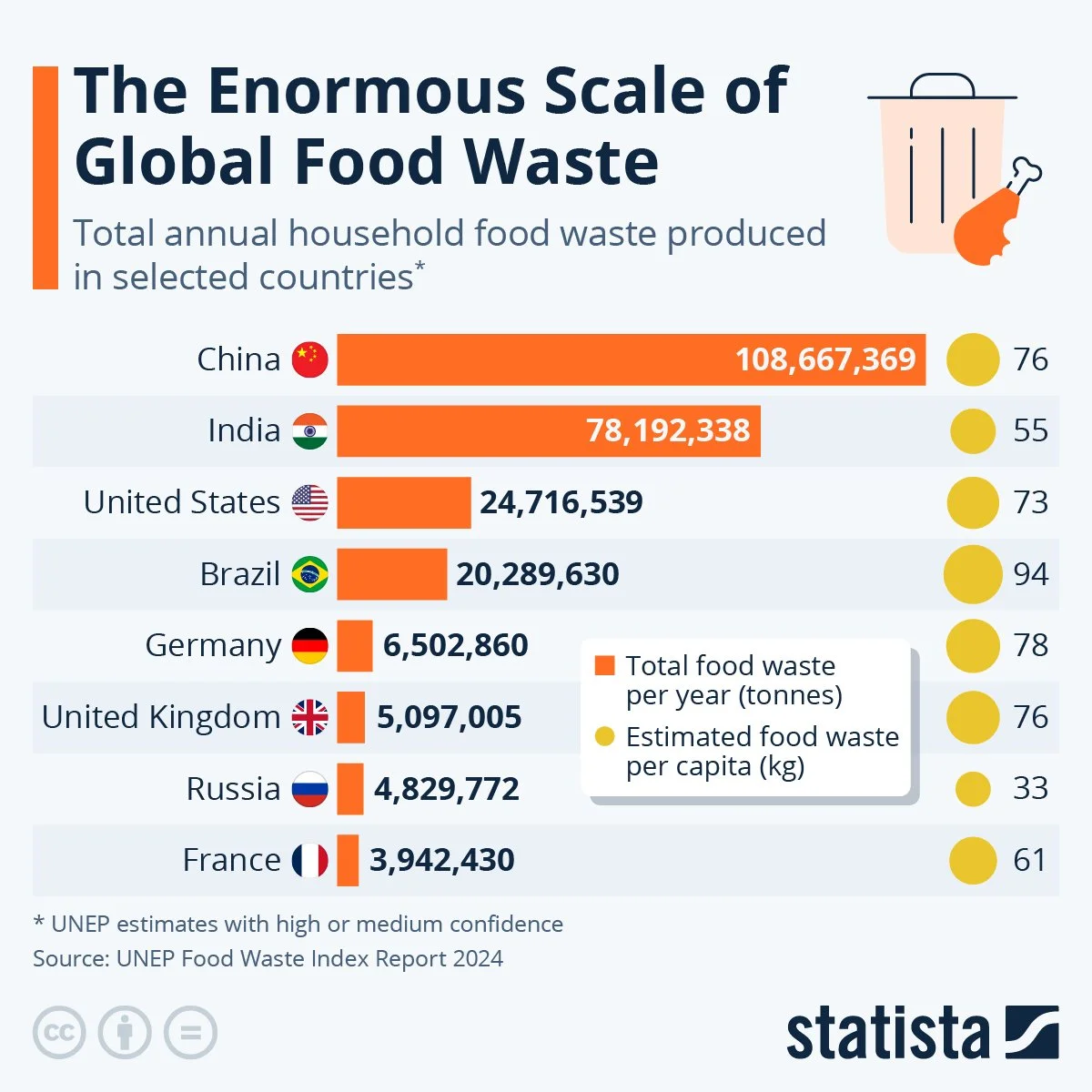
Source: Statista
Amid this global crisis, technology is emerging as a vital ally. Food redistribution apps in hospitality offer effective solutions for restaurants by connecting surplus food with consumers and community groups. This reduces waste, recovers costs, and fosters community ties. By tackling surplus food, food-sharing apps empower restaurants to contribute to a more sustainable food system.
How does it work?
Food redistribution apps are digital platforms that connect restaurants, retailers, and consumers to repurpose surplus food, ensuring it is consumed instead of wasted. Businesses can list surplus items with descriptions and prices, allowing customers or charities to browse, purchase discounted meals, or arrange for donations.
For restaurants, using these apps offers significant benefits, such as reducing landfill waste and demonstrating a commitment to sustainability. Selling surplus food at reduced prices can help recover costs (and often adds to your business’s promotion), and participating in donation initiatives fosters goodwill and enhances the restaurant's reputation as a socially responsible business.
Popular food-sharing apps and other projects
The popularity of food redistribution apps has grown worldwide, with several platforms leading the charge. Too Good To Go is a well-known app that connects users with restaurants and stores offering discounted "Surprise Bags" of surplus food. This platform has successfully bridged the gap between businesses and consumers, making surplus food accessible and affordable.

Examples of packages bought by Too Good To Go’s users un the UK and Poland.
Similarly, Olio focuses on fostering local sharing by enabling individuals and businesses to share surplus food and household items within their communities. This app emphasises neighbour-to-neighbour connections, encouraging community members to actively participate in waste reduction efforts.
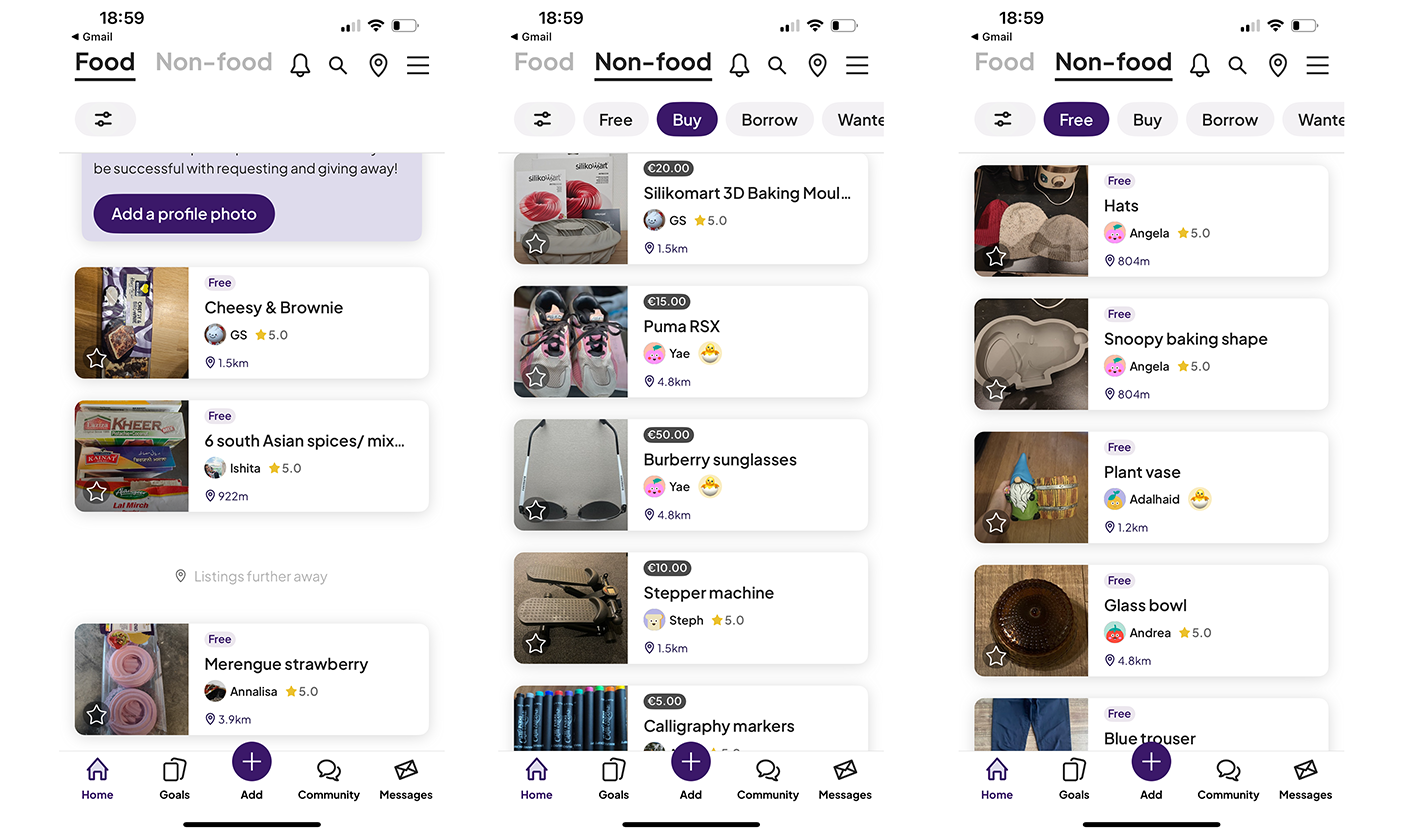
Screenshots from the Olio app.
Another innovative initiative is Foodiverse by FoodCloud, a platform that directly links food businesses with local community groups to redistribute surplus food efficiently. This approach ensures that surplus food reaches those in need, promoting both sustainability and social good. In Poland, the concept of Jadłodzielnie, or community fridges, has gained traction. These fridges act as local hubs where individuals and businesses can leave or collect surplus food, fostering a culture of sharing and sustainability. For example, here, on Warsaw’s municipality website, one can find a full map of community fridges/places sharing food in Poland’s capital.
Other examples include Flashfood (currently available at more than 2,000 stores across the US and Canada), Food Rescue US, connecting volunteers, donors, and social service agencies to facilitate the transfer of surplus food from businesses to those in need, ResQ Club, operating primarily in Finland and Sweden, enabling restaurants and cafes to sell surplus portions directly to consumers at discounted rates, helping to reduce food waste and attract budget-conscious customers, or Foodsharing.de, a German initiative that allows individuals and businesses to share surplus food for free, aiming to reduce waste and promote a sharing economy within local communities.
Implementing these solutions in your restaurant
Integrating food redistribution apps into your restaurant’s operations can seem daunting, but the process is straightforward with the right approach. The first step is to research platforms available in your country/region and select the one that aligns best with your business model, goals, and location. Factors such as ease of use, community reach (including social media following), and compatibility with your existing processes should guide your choice.
Once you have chosen a platform, the next step is to register and create a business profile. This includes providing details about your restaurant, the types of food you can offer, and your availability for pickups or deliveries. Training your employees is crucial to ensure smooth implementation. They need to understand how to identify and prepare surplus food for redistribution, as well as how to use the app effectively.
Establishing a clear schedule or assigning responsibilities for managing listings will help streamline operations. Whether it’s a dedicated team member or a rotating schedule, having someone accountable ensures that surplus food is listed promptly and accurately. Finally, incorporating the app into your daily routines will make it a seamless part of your operations, ensuring consistency and efficiency.
Adding a personal touch can elevate the experience for recipients of your package. Including a small sticker with your restaurant logo, a thank-you card, or even a QR code linking to your website or social media can add a nice impression. These thoughtful additions encourage recipients to tag your restaurant when sharing their experience online, helping to build your brand’s reputation and visibility.
Community impact and success stories
The impact of food redistribution apps extends beyond waste reduction. These platforms are transforming communities and redefining how businesses engage with surplus food. For instance, Whole Foods Market has partnered with Too Good To Go to offer discounted Surprise Bags filled with surplus items. This initiative not only reduces waste but also provides value to customers seeking affordable, high-quality food.
In Italy, Michelin-starred chef Massimo Bottura has taken the concept of food redistribution to new heights with his Refettorios. These community kitchens transform surplus food into nutritious meals for underserved populations, blending culinary excellence with social responsibility. Similarly, New York City’s Make Food, Not Waste Week showcases how surplus ingredients can inspire creativity. Michelin-starred chefs craft unique dishes using food that might otherwise be discarded, highlighting the potential of food waste as a resource.
These examples underscore the positive outcomes of engaging in food redistribution. Diverting food waste reduces methane emissions from landfills, contributing to a healthier environment. Socially, these initiatives enhance food security by providing affordable options to those in need. Restaurants also benefit from cost savings, as reducing waste can lower disposal fees and optimise inventory management. Furthermore, businesses that participate in sustainability initiatives often see an enhanced reputation, attracting eco-conscious customers and fostering brand loyalty. Your team’s morale can also improve, as employees take pride in contributing to meaningful, impactful practices. For restaurants looking to reduce waste before it becomes surplus, our guide on rethinking kitchen waste covers practical alternatives to single-use plastics and sustainable storage methods.
Food redistribution apps for hospitality present an accessible, impactful solution for restaurants looking to tackle food waste. By adopting these tools, you can reduce costs, support your community, and enhance your brand’s sustainability credentials. Beyond apps, consider exploring additional projects like community fridges or collaborating with local charities to amplify your efforts. Setting up proper recycling systems alongside food redistribution creates a comprehensive waste management approach.
At Gezelle, we have sustainability at our core and offer tailored advisory services to help your business integrate eco-friendly solutions seamlessly. From updated menus to employee training, we’re here to support your journey towards a greener future. Contact us to design a food waste reduction strategy perfectly aligned with your goals.